
A look into how we turned the clock into a dial of temperature
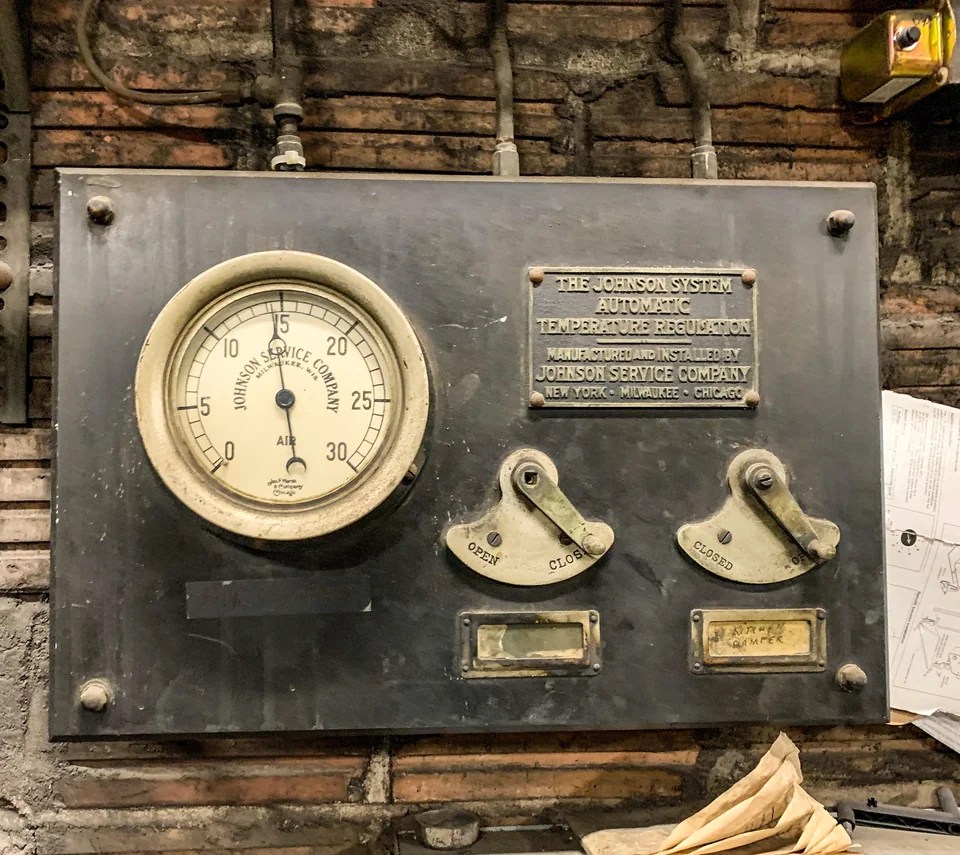
Thermostats are devices that keep the setpoint of spaces through mechanical operation to a desired degree by sensing the temperature of the occupied space. 1620: The Birth of Temperature Control: Our story begins in 1620 with Cornelis Drebbel, a Dutch inventor renowned for creating the first submarine. Drebbel devised a mercury-based thermostat to regulate the temperature of a chicken incubator, marking the earliest known instance of automated temperature control. 1883–1885: Innovations in Building Comfort: In 1883, Warren S. Johnson, a professor from Wisconsin, patented a bi-metal room thermostat to regulate classroom temperatures. Johnson’s ideas would later bring forth the Johnson Service Co. which ended up Johnson Controls today. Two years later, Albert Butz invented the “damper flapper,” an automatic system to control furnace heat, laying the foundation for modern thermostats and leading to the establishment of the company that would become Honeywell. 2011: The Smart Thermostat Revolution The thermostat entered the digital age in 2011 with the launch of the Nest Learning Thermostat by Nest Labs. Designed by Tony Fadell, the creator of the iPod, Nest combined sleek design with artificial intelligence to learn user habits and optimize energy usage, marking a significant leap in home automation.
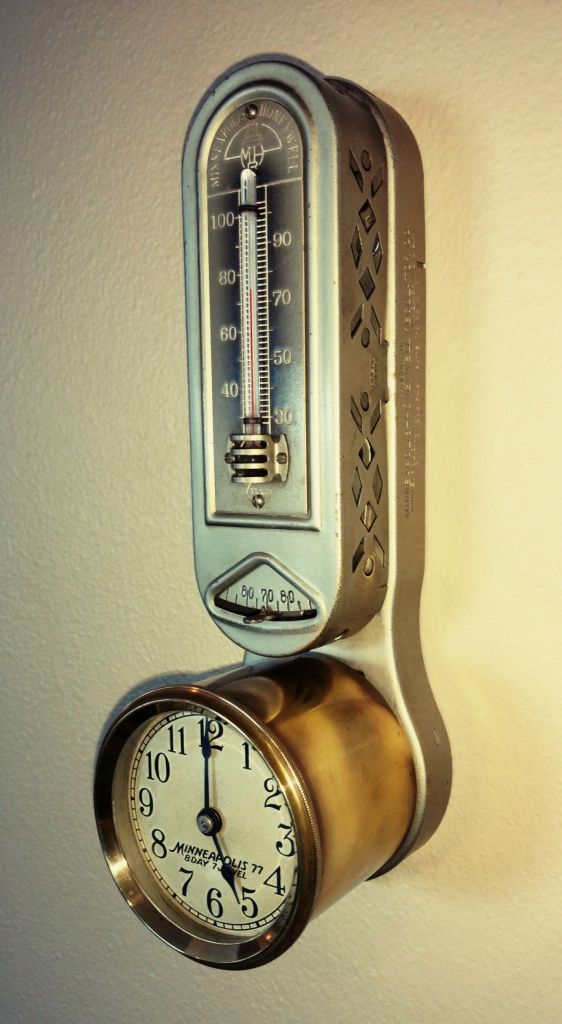
An example of an early version of Honeywell thermostat
 HVAC History